

July 2023 - Montrait Muay Thai

It’s hard to ignore the strong bond that exists between physical activity and mental health, and Muay Thai, a distinctive martial art, exemplifies this perfectly. Widely recognized as “the art of eight limbs,” Muay Thai extends far beyond the realm of traditional martial arts. It emerges as a comprehensive discipline that rigorously trains both the body and the mind, fostering an intricate balance between the two.

According to recent studies, engaging in martial arts practices, like Muay Thai, can significantly diminish symptoms associated with internalising mental health issues such as depression and anxiety.

Participating in Muay Thai trains your mind to focus, instils discipline, and promotes resilience, helping individuals navigate the challenges of life with a sense of purpose and determination. 

Let’s explore the positive effects Muay Thai training has on mental health:   

1. Stress Relief

Stress is a common feature of modern life. Left unchecked, it can lead to various health issues, including mental health disorders.

Muay Thai’s Role: Muay Thai training offers an excellent outlet for stress. The intense physical exertion helps you vent pent-up tension, while the focus required during training allows you to temporarily forget about stressors.

Prevention Strategy: Regular training can be a proactive measure to manage stress levels. If you’re feeling overwhelmed, taking a step back to attend a Muay Thai class could provide the necessary mental reset.

2. Improved Self-Esteem and Confidence

Self-esteem and confidence play vital roles in our mental wellbeing. Low self-esteem can lead to negative thought patterns, impacting our overall mental health.

Muay Thai’s Role: Muay Thai training helps build confidence in several ways. First, as you see your skills improving, it boosts confidence in your abilities. Second, physical fitness gains, such as increased strength and weight loss, can enhance your body image and self-esteem.

Prevention Strategy: Consistent training can lead to visible progress in your Muay Thai skills. Celebrating these achievements—no matter how small—can bolster your self-esteem and confidence.

3. Anxiety and Depression Management

Anxiety and depression are prevalent mental health issues in Canada and globally. Exercise is a proven method to help manage these conditions.

Muay Thai’s Role: Muay Thai, with its high-intensity workouts, triggers the release of endorphins—natural mood boosters. This can alleviate symptoms of depression and anxiety. Additionally, the social aspect of training in a group can foster a sense of belonging, combatting feelings of isolation common in these disorders.

Prevention Strategy: Regularly attending classes can help establish a routine, providing structure that can be beneficial for those dealing with depression or anxiety. Remember, it’s essential to seek professional help if you’re experiencing symptoms of these conditions.

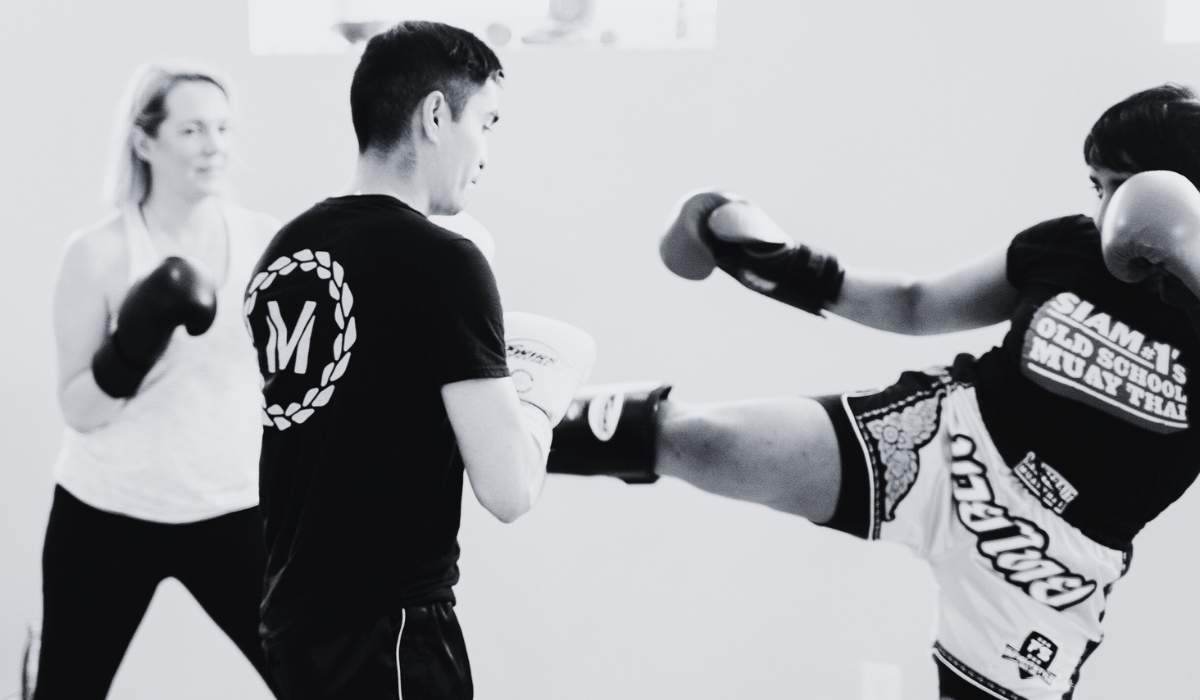
beginners Muay Thai training in downtown toronto offered by montrait Muay Thai. sign up for your first trial class for $10 only!

4. Mental Resilience and Discipline

Resilience is our ability to bounce back from setbacks. Developing this skill is critical for maintaining mental health, especially during challenging times.

Muay Thai’s Role: Muay Thai is as much a mental game as it is a physical one. It requires patience, discipline, and perseverance, especially when learning new techniques or preparing for a fight. This builds mental toughness and resilience that can be applied to other areas of life.

Prevention Strategy: Embrace the challenges that come with Muay Thai training. Each one presents an opportunity to strengthen your mental resilience.

5. Mindfulness and Focus

Mindfulness—being fully engaged in the present moment—can reduce stress and improve overall mental wellbeing. Similarly, improved focus can reduce feelings of overwhelm and improve productivity.

Muay Thai’s Role: Practising Muay Thai requires intense concentration and attention to detail. This focus on the present moment can translate into enhanced mindfulness in daily life. Moreover, the need to strategize during sparring can improve cognitive function and focus.

Prevention Strategy: During training, fully immerse yourself in the moment, whether you’re practising a combo or engaging in a sparring session. This practice can enhance your mindfulness skills over time.

Whether you’re an experienced martial artist or a newbie to the discipline, incorporating Muay Thai training into your routine can be a powerful step towards better mental health. If you’re considering signing up for a Muay Thai gym in Downtown Toronto, sign up for a trial class at Montrait Muay Thai.

Do you have an unwavering passion for Muay Thai? Does the thrill of landing a powerful roundhouse kick or a swift elbow strike excite you? If you’re in Toronto and considering turning your passion into a profession, you’re in luck. Montrait Muay Thai in Little Portugal is a Muay Thai gym with a strong focus on traditional techniques. 

While you’re looking for the right gym, remember to choose one that not only offers a solid training regime but also focuses on cultivating respect, a core value in Muay Thai. Respect in this context is multi-dimensional; it’s respect for the sport, your trainers, your fellow trainees, and most importantly, for yourself. A gym that teaches this essential value will provide an environment where you grow both as a fighter and a person.

Here’s how you can become a professional Muay Thai fighter in Toronto: 

1. Finding Your Muay Thai Home Base

The first step to becoming a professional Muay Thai fighter is developing a rock-solid foundation. Toronto is home to numerous reputable Muay Thai gyms where you can get quality training. Choose a gym that cultivates respect for the sport, your trainers, your fellow trainees, and most importantly, for yourself. Look for a results-oriented training program in your city to build a strong foundation in the sport.

2. Embrace Rigorous Training

Immerse yourself in the Muay Thai training program, no matter how tough it might initially seem. Muay Thai is demanding, but that’s what makes it so rewarding. Expect long hours, early mornings, and plenty of sweat. We would recommend you start slow and only take a couple classes a week until you have your energy levels back. 

3. Participate in Local Amateur Fights

Step into the ring to put your training to the test. Local amateur events are your proving ground, and they help you gauge your progress. Before you sign up, ask your trainer if they feel you’re ready and how to prepare for these fights. Organizations like the Ontario Muay Thai Association regularly hold amateur fights where you can gain experience.

Muay Thai personal training to become a professional Muay Thai fighter, Muay Thai classes in toronto, kids Muay Thai program

4. Maintain a Balanced and Nutritious Diet

If you’re heard the quote “you are what you eat”, it matters 10 times more when training to be a professional fighter. A personalized nutrition plan packed with protein and nutrients will give you the energy you need to train and recover. If your progress has halted, it’s probably because you aren’t eating enough protein and drinking adequate amounts of water. Consider consulting with a nutritionist, so you track progress.

5. Commit to Discipline and Dedication

To become a professional Muay Thai fighter, you must commit to your craft and make sacrifices. This could mean fewer hangouts with friends, fewer indulgences, and more hours dedicated to training and recovery. It requires disciplined training, a strict diet, and adequate rest. As a representative of the sport, you are expected to uphold its values in your daily life. You should respect the rules and regulations, respect your opponents, and above all, respect yourself by maintaining a high level of personal discipline.

6. Consider Turning Pro

Once you’ve honed your skills, accrued experience, and earned recognition in the local circuit, you can then consider turning pro. This is a significant step and requires careful deliberation. It may involve more rigorous training, longer hours, and a full commitment to Muay Thai. Be sure to consult with your Muay Thai coach and consider your readiness, both mentally and physically, before taking this step.

7. The Journey Is a Marathon, Not a Sprint

Remember that the journey to becoming a professional Muay Thai fighter is not a sprint; it’s a marathon. It requires time, patience, perseverance, and above all, respect for the sport and everyone involved. Becoming a professional fighter is not just about the physical capacity to fight, but also about the mental and emotional resilience to face challenges, setbacks, and disappointments.

Montrait Muay Thai offers personal training in Toronto designed to help you meet your goals faster. We work on your schedule and support you throughout the journey from diet planning to community support. Get in touch today for a free personal training consultation.