

Natasha, Author at Montrait Muay Thai

Meal prep and it’s close relative, ingredient prep, are both major timesavers and waistline saviors. Now that we’re in lockdown you might be thinking, what’s the point of prepping my meals when I’m home all the time anyway?

Meal prep isn’t just about having food ready when you’re busy on the go; it’s also about making healthy choices ahead of time so you don’t find yourself starving in front of the kitchen cupboards grabbing whatever’s easiest (which tends to be processed snacks like crackers or chips). By making a nutritious meal ahead of time, you are creating a healthy easy option for that moment your stomach rumbles and you need something to eat fast. It also helps you plan your essentials before you head to the grocery store and cuts down on food waste.

Meal prep can be as simple or as complicated as you like for it to be

You’ve probably heard of meal prep before but might be wondering about ingredient prep. Meal prep involves prepping food and assembling it into complete meals before refrigerating or freezing for a later date. Ingredient prep involves prepping ingredients to refrigerate or freeze without any assembly. The advantage of meal prep is that all you need to do typically is plate and season your food. 

What some people find unappealing about meal prep is that you can find yourself eating the same meals for a week straight. However, what’s nice about ingredient prep is that by having healthy foods ready, you can combine them in different ways for more variety though it can be a touch more time-consuming during the week to assemble your food each time. Personally, I do a combination of both. I am still working from home so I tend to have my lunch completely meal prepped but I will also keep some ingredients prepped to throw together more variable dinners. 

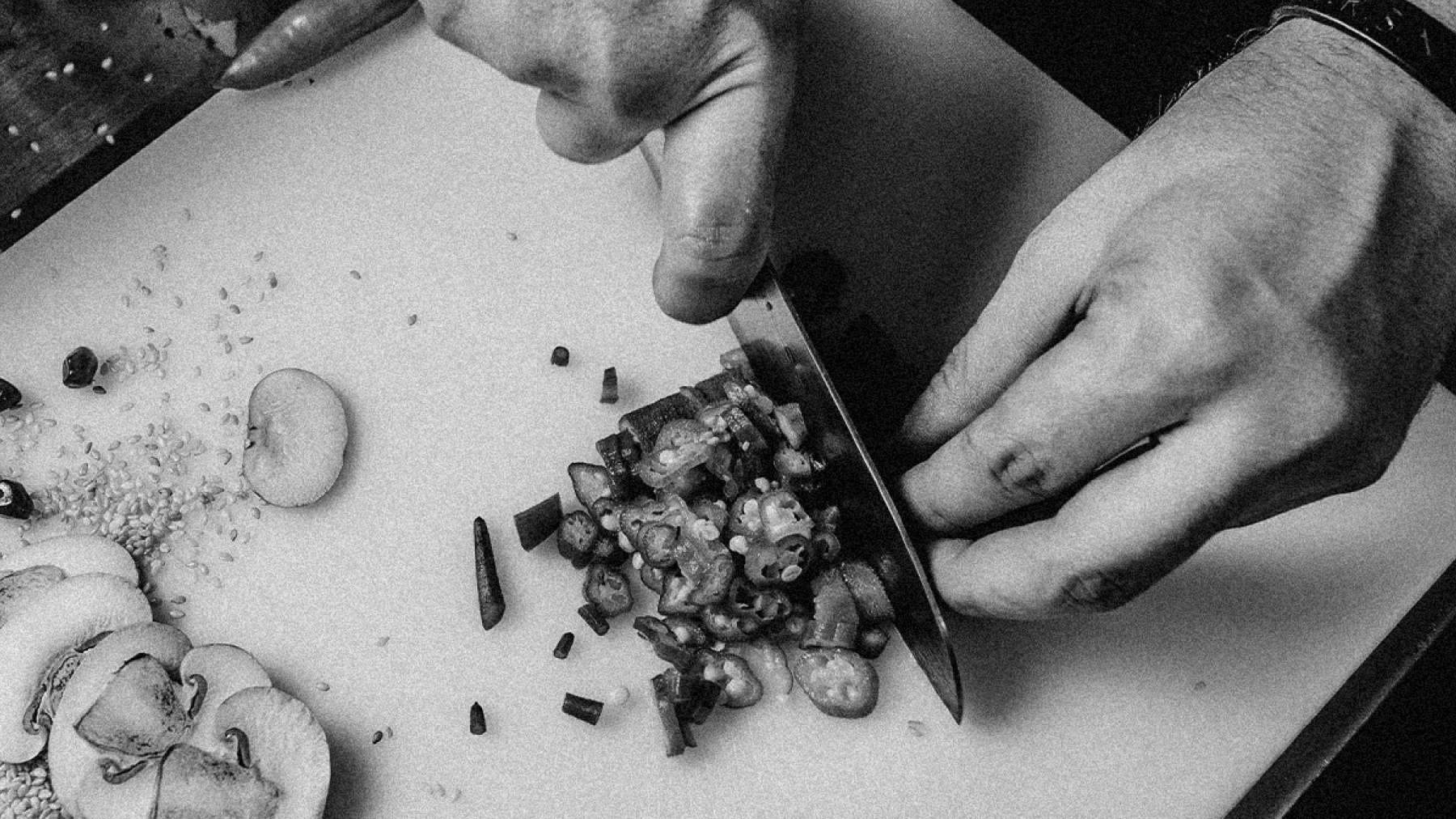
Meal prep can be as simple or as complicated as you like for it to be; I tend to stick to basic cooking techniques such a boiling, oven roasting, pan-frying, and poaching. Some weeks I feel like making an overnight marinade for my protein or pickling onions ahead of time; sometimes I quickly chop up some veggies and toss them with some greens in a container, and add a can of tuna with some tzatziki when I sit down to eat. 

I follow a basic formula for making a satisfying meal prepped bowl:

There are almost infinite combinations of the above that can be modified to any diet. Things can be omitted here and there, but I’d recommend at least keeping a base, a protein, at least one veggie, a fat source, and either herbs or onion for flavor. I personally always use a base of greens for lunch because carbs make me sleepy mid-day.

For an example, this week I meal prepped bowls consisting of:


Some of the ingredients I had or made extra of were: spinach, shredded chicken, sweet potato, and black beans. Spinach can be used in SO many ways – for other salads, sautéed, in smoothies, in soups. I buy a big bag every week and find ways to use it up. The shredded chicken went into an additional salad towards the end of the week, doused in a quick chicken curry sauce (mayo + curry powder + Dijon mustard) (Picture: and also topped a hummus bowl on leftover rice with some of the additional roast sweet potatoes and black beans. The sweet potatoes also reappeared as a quick side dish for breakfast along with scrambled eggs (not pictured).


When packing prepped foods, there are a couple things to consider: some ingredients don’t have good longevity such as avocado or seafood and should be prepared and added at the time you sit to eat. Another is foods with high moisture content can get slimy sitting in the fridge for a few days, like that base of spinach – in this instance, I use a small piece of paper towel nestled in the top of the container to absorb some of the excess moisture that can form. You can use a clean tea towel too. If you are freezing prepped meals or ingredients, try to let in as little moisture and air as possible when packing to prevent freezer burn.

Meal prep is an essential tool for me to help make healthy and delicious food choices throughout the week. The act of preplanning food alone makes me more conscious of what I am buying and eating. Hopefully, this guide helps get you on track to building a diet for better health at a time when we need it most. 


Maybe you’ve heard this saying before, no run, no fight. I personally don’t consider it a saying; it’s a fact.

So many iconic scenes from boxing and martial arts movies are of the solitary fighter running on the side of the road for a reason. If you want to take your training to the next level, whether that’s fighting or for your next shorts test, consider adding running to your fitness schedule.
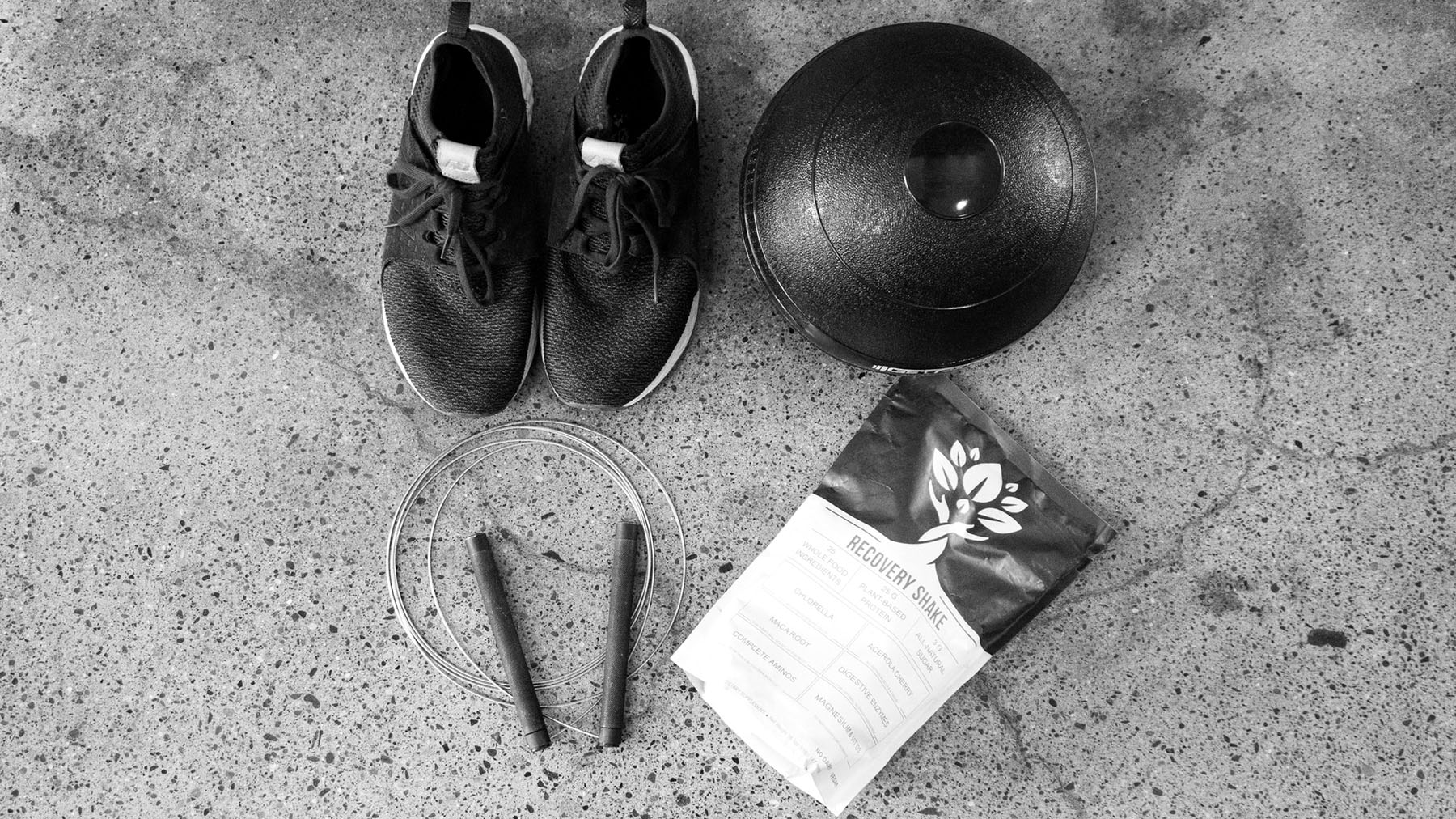
Now that it’s spring and we can only really go outside for essentials or fresh air, why not go for a jog? I have to remind you to keep your 6ft physical distancing on point if you’re running. You are traveling at a faster pace than other pedestrians and bear more responsibility for keeping your distance. It’s also recommended to wear a face-covering; if you’re keeping a good pace, you’re probably mouth breathing!

If you’ve taken a class, you already know what an intense cardiovascular workout Muay Thai is. There are lots of ways to get your extra cardio in but running is the method of choice for Muay Thai. Swimming, rowing machines, and biking are fine options but you want to build up endurance not only in your lungs and heart but in your legs as well. The repeated impact of running builds bone density in your feet, shins, and legs. You’re on your feet when you’re doing Muay Thai and so you want a cardio workout that complements this. Running builds mental endurance and toughness too. When you’re tired out on the road running alone without your Kru or your teammates to encourage you, you find the determination within yourself to push hard and complete your run. Developing the ability to push past mental and physical exhaustion is invaluable for Muay Thai. 

So let’s get started!

First, you’ll need a good pair of running shoes. Luckily there are still many options for online ordering if you don’t have a pair. If you’re looking to support a local Toronto business, Black Toe Running is a great choice. If you are budgeting, most major retailers (i.e. Footlocker, Sportchek) have large clearance sections.

A common problem I’m seeing with new runners recently is that they are dressing too heavily in early spring weather to be comfortable when running. You build quite a bit of body heat when you’re jogging and don’t need as much clothing as you’d think.

I’ve suggested some guidelines below:

Now that you’re dressed, you aren’t going to head out the door just yet. Especially when you are first starting and running is an unfamiliar movement for your body, you should take some time for joint mobility before you head out on a run. Neck rotations, shoulder rotations, hip circles, and ankle rotations should all be done on each side at least 10 times each. Jumping jacks, alternating knees to your chest, and squats can also help activate your muscles before a run. I like to walk for a couple of blocks before I start my run, especially if it’s early in the day and I haven’t been moving much yet.

For your first run, plan a route between 2.5-5km. Apps like Nike Run Club or Under Armour’s Map My Run have mapped out local routes you can follow, plus they can help you track your progress. Having a planned route when you run is essential, especially when you’re starting out. You’re more likely to get tired and give up without an endpoint to strive for. Find a route you like and complete it no matter what – don’t be discouraged if you need to take walking breaks the first few runs you attempt. You should take walking breaks as needed if you feel burning or cramping in your lungs/chest or that familiar sear of lactic acid building up in your legs.

Limit walking breaks to 1-2 minutes and avoid them entirely if you can. When first incorporating running into your schedule, plan to run 3x a week. It makes a great warm-up for Muay Thai class if you’re looking to combine workouts. When you’re finished your run, take a few moments to stretch at a minimum your quadriceps and hip flexors. Your hip flexors especially can get tight with the repetitive motions of both Muay Thai and running.

With the weather getting warmer and the lockdown continuing, hopefully, you find this guide helpful. Remember to keep your distance, warm up properly, pick a running route, and stick to it. The lockdown offers a great opportunity to build your discipline and running is the best choice to complement your Muay Thai practice while keeping safe and healthy.

Happy running!


Since coronavirus entered our lives, we’ve been spending a lot more time at home than we’re used to. It’s easy to slip into a pattern of waking up late, staying in your PJs and hanging around not knowing what day it is. There’s nothing wrong with doing this every once in a while but over time, you’ll begin to notice the ill effects that this lack of structure takes on your physical and mental health.

I’m not here to tell you what you should do with your day but rather how you can better structure your days. I’d also recommend including activities daily that encourage mental and physical well-being, whatever that looks like for you!


Build a schedule where you can

My first recommendation is to default to the schedules you were following prior to the shutdown. I might suggest using our gym’s class schedule (Monday, Wednesday, Thursday at 6:30pm and Saturdays at 12pm) as a good starting point.

Try this: if on Saturday you were prone to attending the noon class, then be sure to wake up before then as if you were still going to make that commute and jump in our Instagram LIVE class. Grant yourself some extra time before class starts too, to stretch and warm-up, just like you would in the gym.  


Re-Purpose Your New Free Time

For those of us who are fortunate enough to work remotely, you may find you have more free time in the morning without a commute. This free time can be repurposed to your advantage.

I used to want to meditate in the morning but found it difficult to find those spare 10-15 minutes every morning to do so. Now, without having that commute – I’ve been able to recycle that time towards building a morning habit of meditating. This helps ground my mind before I jump into my workday. Maybe for others, you’ll sleep in but have more time to stay up late practicing an instrument you’ve neglected lately.

Try this: look at your week, and perform an audit of the extra time you have each day. Then ask yourself how that time can be repurposed in a way to take better care of yourself, whether that’s body, mind or spirit.


Create Separation

When we’re at home all the time, some of what makes it feel like a blur is that there is not the same clear delineation from one part of our day to the next. We’re not “going to work” and “going to lunch” and “heading to the gym” afterward.


When you make a physical change, you change your mindset.


When we’re living in one place and not physically changing our environments, it can make it challenging to feel as though we are mentally switching for one task to another. Conversely, it’s also tough to relax when your workspace and home are one in the same.

It’s important to create separation between the different areas of your life and there are a few ways you can do this:


Don’t work in bed

Where you work and where you sleep cannot be the same – you won’t be able to mentally leave work when you need to sleep and vice versa.

Try this: put your phone away at least an hour before you go to bed. This way your body and mind have time to relax before drifting off to sleep. Otherwise the endless news scrolling and blue light will keep your mind active, preventing your body from getting those solid 8 hours our body requires each night.


Mentally label your rooms

Re-label the rooms in your living space in your mind. For me, my living room is where I “go to work,” the kitchen is where I “go to lunch” and because it’s the biggest room in the house, the kitchen is also where I “go to the gym.”

Try this: maybe you’re someone who needs more of a physical distinction. Grab a Sharpie and a sheet of paper and PHYSICALLY label your rooms and tape it up on your wall. Might seem silly, but over time your mind will adjust and deepen the separation. 


Change your clothes based on your activity

Changing your clothes is another important signifier that you can use to create separation between different parts of your day. You can still get dressed before work, even though you may not necessarily wear the same thing for WFH as you would to the office. You can still change into gym clothes to do the at-home-classes – just don’t just wear athleisure at home all day and then do gym classes in the same clothing. You’ll still be wearing your “lazy” clothes instead of having changed into your “kicking ass” clothes.

When you make a physical change, you change your mindset.


Add Intermissions

Adding “intermissions” into your day can be helpful too. At the office, you might have taken a break at 2pm to make a tea in the lunchroom and chat with coworkers. At home, you can similarly leave the room you use as your workspace to make a tea and text a friend to check-in. Or you could take a walk around the block to get some air a few times a day.


Don’t Let Your Impulses Take Over

If you don’t make a plan for your day, it’s more likely you’ll be led astray by your impulses. Using these tips, you can pre-plan what you’ll do for the day and have a clearer sense of purpose as you move from task-to-task. Our lives are wildly different and our routines have changed but the world is not entirely out of your control – you can still choose to structure your day to take care of your physical and mental well-being.