
Health Archives - Montrait Muay Thai

You’ve felt it—the burn in your lungs, the heaviness in your legs, the frustration of wanting to keep going but feeling like your body has hit a wall. You’ve probably wondered, “how do I make myself go longer?” Building stamina for Muay Thai isn’t just about running more or doing endless drills. You want to go the distance, to throw those combos with power until the final round, and to feel strong until the very end.  

Here are 8 no-nonsense tips to build stamina for Muay Thai training: 

1. Incorporate Roadwork into Your Routine

Roadwork remains a staple in most combat sports, and for good reason. Running improves cardiovascular endurance, which helps you maintain consistent energy levels throughout a Muay Thai session. Start running at a steady pace for 3 to 5 kilometres and can maintain that,  throw in some sprints or hill runs. Focus on consistency over speed. As you get better with endurance, you’ll be able to sustain high-intensity activities for longer periods. 

2. High-Intensity Interval Training (HIIT)

During HIIT workouts, you perform short bursts of intense exercise followed by a quick rest, almost like Muay Thai. Incorporate HIIT in your workout routine anywhere from 1-3 times a week. You’ll also build lean muscles to support your Muay Thai training. 

3. Jump Rope Regularly

Jumping ropes helps with many endurance-related components at once – cardiovascular health, footwork, and timing. With consistent practice you’ll become lighter on your feet, which directly impacts your performance in the ring. Build yourself up to 3 minutes of non-stop jumping ropes. 

4. Add Circuit Training to Your Regimen

Circuit training combines different exercises in quick succession, great for mental and physical coordination. You can design a circuit that benefits you the most. Some exercises we recommend are push-ups, burpees, sit-ups, and kettlebell swings. Make sure to not take breaks that are longer than 30 seconds. Circuit training mimics the physical demands of a fight, where you need to switch between offensive and defensive moves rapidly.

gym membership in Toronto, mmm gym near me, top Muay Thai gym in toronto, downtown toronto beginner's Muay Thai, Muay Thai training in toronto

5. Incorporate Plyometric Exercises

Plyometric exercises, like box jumps and clap push-ups, help increase power and explosiveness. They force your muscles to exert maximum force in short intervals and also improve your fast-twitch muscle fibres, essential for quick movements and strikes.

6. Practice Sparring and Pad Work

Nothing builds Muay Thai-specific stamina better than actual sparring and pad work. Sparring with partners of varying skill levels also challenges your endurance. When practising pad work, Focus on throwing combinations that push your cardiovascular limits.

7. Work on Your Core

A strong core stabilises your body, helps you generate power, and maintain balance during strikes. Core exercises like planks, Russian twists, and leg raises are all great additions. It also takes away all the strain from your lower back and legs and in turn, you maintain proper form and conserve more energy. 

8. Learn Proper Breathing Techniques

Deep, controlled breaths will help you last much longer than short, shallow breaths. Practice breathing techniques during shadow boxing or light pad work. Inhale through your nose and exhale through your mouth, and time your breaths with your movements.

Frequently Asked Questions

How does circuit training translate to fight-round endurance?

Circuit training conditions your body to push through high intensity without long breaks. That’s exactly what happens in the ring. Each station forces different muscle groups to work under fatigue, the same way combinations and clinching test you in rounds. When you do circuits with minimal rest, your body adapts to recover faster between explosive efforts.

What breathing techniques help reduce fatigue during Muay Thai sparring?

Keep your breath controlled and not forced. Between exchanges, focus on steady nasal breathing to bring your heart rate down. Many fighters gas out because they hold their breath when throwing combinations. You must stay relaxed in the shoulders, time your breathing with your strikes, and reset quickly in the clinch.

What’s the best running plan (distance, pace) to improve cardio for Muay Thai?

Mix long runs with sprints. Aim for 5–8 km steady runs three times a week at a conversational pace. This builds aerobic endurance. Add 100–200 meter sprints twice a week, with short rests, to mimic the burst of a fight.

How often should I do HIIT versus roadwork when training for Muay Thai?

Roadwork is your foundation, so do it three times a week. HIIT is your sharpener, so do it one or two times. Too much HIIT burns you out and makes it hard to recover for skill sessions. Roadwork gives you steady endurance, HIIT trains your ability to explode and recover. Use both, but never let HIIT replace the base conditioning that roadwork builds.

Train at Montrait Muay Thai in Toronto

We focus on fundamentals first, so you feel strong and equipped with the right techniques.

At Montrait Muay Thai, every student begins with an Initial Performance Session (IPS). One of our coaches will assess how your body moves, talk about Muay Thai and your training goals.

From there, you’ll work with a coach in private sessions to learn the fundamentals at your own pace.

By the time you join group classes, you’ll feel confident in your form, technique, and understanding of Muay Thai.

We’re excited to talk more. Book your IPS today.

Muay Thai is one of the most powerful martial arts out there that also doubles as an intense workout. Also known as the “Art of Eight Limbs,” it can help you build muscles for both strength and aesthetic purposes without bulking too much. From the legs and core to the upper body and hips, our Muay Thai gym in Downtown Toronto can help you transform.

Here are 5 muscle groups that strengthen through Muay Thai training:

1. Leg Muscles

In Muay Thai, leg training is the foundation for powerful kicks and stability. The primary muscles that are targeted include the quadriceps, hamstrings, and calves.

Quadriceps: Every kick and knee strike in Muay Thai engages the quadriceps. With regular training, you can build more defined quads. These muscles also support your stance and movement, essential for maintaining balance.

Hamstrings: Kicking and kneeing actions also strengthen the hamstrings. These muscles help in extending the hip and bending the knee, which contributes to flexibility and better balance.

Calves: The constant movement, whether it’s shuffling, jumping, or pivoting, works the calves intensely. Strong calves contribute to explosive power in kicks and quick footwork and boosts your agility and speed.

2. Core Muscles

Like any other workout regime, you need a strong core to generate a powerful punch and balance yourself. Muay Thai helps you strengthen the abdominals, obliques, and lower back muscles.

Abdominals: Every punch, kick, and knee strike begins from the core. Muay Thai training involves a lot of twisting and turning, which targets the abdominal muscles. With the right diet, you can achieve a well-defined six-pack.

Obliques: The oblique muscles assist in rotational movements and stabilization. Muay Thai’s twisting motions, such as in hooks and roundhouse kicks, engage the obliques. It builds better-defined side muscles and improves rotational flexibility. 

Lower Back: A strong lower back supports overall core strength and stability. Movements like clinching and throwing knees are recommended as they engage the lower back muscles to improve posture and reduce the risk of injury.

a muay thai student in a gym

3. Upper Body Muscles

You’ll use your upper body during punching, elbow strikes, and clinching. Key muscles include the shoulders, chest, and arms.

Shoulders: Shoulders endure a significant amount of strain during training. Punching and elbow strikes target the deltoid muscles, which will help you build strong shoulders needed for more powerful and faster strikes.

Chest: The chest muscles, particularly the pectorals, are engaged during punching and clinching. A strong chest not only drives powerful punches but also helps in controlling opponents during clinching.

Arms: The biceps and triceps are continuously worked through various striking and defensive techniques. Training in Muay Thai develops arm strength and endurance and higher blocking ability. 

4. Back Muscles

Back muscles contribute to proper posture and of course, deliver those powerful strikes. The muscles you should focus on include the latissimus dorsi, trapezius, and rhomboids.

Latissimus Dorsi: Strong lats support powerful strikes and improve the ability to control opponents during clinching.

Trapezius: The trapezius muscles, located in the upper back, are activated during striking and defensive movements. 

Rhomboids: Located between the shoulder blades, the rhomboids contribute to scapular retraction, stabilization, and overall upper body strength. 

5. Hip Muscles

The hip muscles, including the glutes and hip flexors, are needed for the kicking power and agility. 

Glutes: Powerful kicks rely heavily on the glute muscles. They are engaged in every kicking motion, so the stronger your glutes are, the more explosive your strikes will be. 

Hip Flexors: The hip flexors are involved in lifting the knee for kicks and knee strikes. Strong hip flexors means higher and more powerful kicks.

Benefits Beyond Muscle Building

Every session pushes your body in ways that regular workouts cannot. You build endurance, coordination, and mental sharpness while enjoying a dynamic, skill-based routine that never feels repetitive.

Here’s other ways Muay Thai helps you:

Top-Rated Muay Thai Gym in Toronto

Discover a training experience built to help beginners feel confident and progress at their own pace.

At Montrait Muay Thai, every student begins with an Initial Performance Session (IPS). One of our coaches will assess how your body moves, talk about Muay Thai and your training goals.

From there, you’ll work with a coach in private sessions to learn the fundamentals at your own pace.

By the time you join group classes, you’ll feel confident in your form, technique, and understanding of Muay Thai.

We’re excited to talk more. Book your IPS today.

Muay Thai, often referred to as “The Art of Eight Limbs” is more than just a combat sport; it’s a wholesome workout that challenges and develops various muscle groups. Unlike conventional gym routines, Muay Thai offers a dynamic way to build muscles effectively and sustainably. Essentially, you are building the foundation for your muscle to grow on. 

Working with an educated and experienced muay thai trainer in Toronto will make a whole lot of difference. 

Here are five ways Muay Thai helps you build different types of muscles: 

1. Core Strength and Stability

Muay Thai places a significant emphasis on core conditioning. Every punch, kick, and knee strike originates from the core, making it the powerhouse of your movements. With regular training, two to three times a week, you strengthen the abdominal muscles, obliques, and lower back. It makes you feel stable on your feet and helps in overall balance and posture. Women, who previously never trained for Muay Thai, performed better on physical fitness metrics in just 13 weeks of training.

2. Upper Body Sculpting

Punching and clinching, which are two integral components of the martial art, work on your arms, shoulders, chest, and upper back. These movements, especially when practiced with resistance like pads or heavy bags, help you grow new muscles in the upper body. Both these movements are used for repetition during workouts and promote growth and endurance. 

3. Lower Body Strength

Kicks and knee strikes are fundamental in Muay Thai, targeting the quadriceps, hamstrings, glutes, and calves. While kicks and knee strikes need an explosive amount of power and agility, they can only grow stronger by repetitive exercises. You’ll feel improved stance and footwork, which helps in leg strength and muscular endurance. You can use this lower body strength in different sports including distance running and cycling, marathons, and kickboxing. 

Two people practicing in a muay thai gym.

4. Cardiovascular Conditioning and Fat Loss

As a high intensity workout, Muay Thai burns fat first and then builds muscle. You will start seeing some definition to your muscles in the first few weeks of training. That’s why it is often recommended to those looking for fat reduction. You’ll also notice better stamina, feeling less tired during physically-demanding days, and an improved motivation to do psychically-demanding tasks. A 2019 study showed improved cardiac performance in just 12 weeks of Muay Thai in older adults with high blood pressure.

5. Flexibility and Recovery

Flexibility is a key component in Muay Thai, with stretches and mobility exercises being a part of every session. At our gym in Downtown Toronto, all our sessions include a chunk of mobility workouts for better muscle recovery. Regular stretching enhances blood flow and reduces the risk of injury, especially after an intense round of kicks and knee strikes.

How often should I train for Muay Thai? 

As a beginner, attending 2 to 3 classes a week is a good start. It will be overwhelming at first but this martial art is all about pushing yourself. Our instructors are here to support you. For someone training to be a professional, 5 days a week will help you quickly progress towards the goal. Remember, taking recovery breaks in between is essential as Muay Thai is very intense and you also should avoid injuries caused by lack of rest. When training for an explosive sport, your nutrition makes up for a lot of your strength. Work with a nutritionist to plan a high-protein diet that’s sustainable and keeps you satiated.

While Muay Thai builds muscles, it focuses on building lean muscles. If you want to bulk up too, add a couple days of weight training. Check out the sport yourself at Montrait Muay Thai in Little Portugal. Book your spot here.

No fitness journey is easy. It is meant to shape you as a person, change habits, and make you feel more confident. As a martial arts gym, we’ve seen that happen several times. The key lies in finding the right martial arts that pushes you to do better while taking care of your mental health. 

Here are 8 tips to remember while choosing the right martial arts for you: 

1. Figure Out Your Goals and Interests

Are you looking for rigorous physical activity, or are you more interested in the philosophical aspects? Perhaps self-defense is your primary concern. Different martial arts cater to different needs:

2. Consider Your Physical Condition and Preferences

High-impact styles like Brazilian Jiu-Jitsu or Judo involve grappling and ground fighting, which might be challenging if you have joint issues. On the other hand, striking arts like Karate or Boxing might be more suitable.

If you’re a female and have PCOS, talk to your health care provider on how you can incorporate low impact martial arts into your fitness routine. 

3. Research Different Martial Arts Styles

Every martial art out there specializes in a different fitness aspect. Here’s a brief overview:

Make sure you do your research. Look up forums and talk to friends and family until you narrow down a few that you’d like to try. 

The Kru teaching martial arts in a muay thai gym in downtown toronto.

4. Try Out Local Martial Arts Schools

Visit local dojos or training centers. Observe classes, talk to instructors, and understand their teaching philosophy. The environment and teaching style are as important as the martial art itself. Many gyms offer discounted trial classes, which is a good opportunity to learn the instructor’s teaching style and see if you can build a rapport with them.

5. Reflect on Your Learning Style

Do you prefer structured, traditional learning, or are you more inclined towards a relaxed, informal environment? Different martial arts and schools offer varied teaching styles. Traditional schools, like Karate dojos, often emphasize discipline, following a strict syllabus with a focus on form and hierarchy. These environments are formal, valuing the historical and philosophical aspects of the art.

For a more relaxed style, you can try Mixed Martial Arts to offer a casual atmosphere, blending techniques from various styles and focusing on practical application. Brazilian Jiu-Jitsu is also a good option as it lets you adopt a more relaxed approach, encouraging creativity and innovation in techniques within a community-oriented environment. 

6. Think About Time Commitment and Class Structure

Different martial arts require different levels of commitment. Some styles have longer classes with detailed technique breakdowns, while others are more fast-paced and fitness-focused.

If you have a tight schedule, look for a gym that offers flexible class times, shorter sessions, or beginner-friendly options. At Montrait Muay Thai, we have evening and weekend classes so you can fit training into your routine without stress.

    7. Consider the Community Aspect

    Martial arts training is also about the community. A supportive, positive training environment enhances learning and personal growth. At Montrait Muay Thai, we resonate with this emotion. We are not just a gym but a community of Muay Thai practitioners who support each other’s growth. 

    8. Don’t Rush Your Decision

    Take your time to explore and reflect. Choosing the right martial art is a personal journey that should not be rushed. Your fitness journey is a process and make sure you enjoy every part of it. 

    For more martial arts advice, follow Montrait Muay Thai.

    What age is too late to start martial arts?

    Spoiler alert! There’s no age limit to starting Muay Thai or any martial art form. We have students well into their 60s, who started with little to no background in martial arts. Our program structure ensures every student feel confident in building new skills.

    Can you train martial arts with injuries or health concerns?

    While Muay Thai group classes won’t be the best option, you may work with one of our personal trainers to make training more adaptable to you. We’ll help you focus on form, pacing, and safety, so you can still build strength and confidence without aggravating old injuries or medical conditions.

    Don’t Let Fear Hold You Back

    Most of us feel anxious when starting new.. worrying whether we’ll fit in or embarrass ourselves. That’s completely normal.

    At Montrait Muay Thai, every student begins with an Initial Performance Session (IPS). One of our coaches will assess how your body moves, talk about Muay Thai and your training goals.

    From there, you’ll work with a coach in private sessions to learn the fundamentals at your own pace.

    By the time you join group classes, you’ll feel confident in your form, technique, and understanding of Muay Thai.

    We’re excited to talk more. Book your IPS today.

    Ever wondered why some fighters excel while others struggle? A personal trainer could be the missing key.

    Whether you wish to turn professional or want to learn MMA recreationally, a personal trainer in Toronto doesn’t just guide your physical training. They help you balance the physical, nutritional, and mental aspects of MMA to keep you on track, injury-free, and progressing faster than ever before.
    What exactly is MMA? 

    Mixed Martial Arts (MMA) is a dynamic sport that pushes both your body and mind to their limits. Blending techniques from boxing, wrestling, Brazilian jiu-jitsu, judo, karate, Muay Thai, and other martial arts, MMA creates a combat environment that demands versatility, strategy, and adaptability. Fighters utilize a mix of striking, grappling, and ground techniques, all within the intense confines of an octagonal cage, where each round tests their skills, endurance, and willpower. Matches take place in a fenced area, often an octagonal cage, where fighters engage in rounds, testing their ability to attack and defend using diverse techniques. 

    Here’s why you need a personal training for your MMA journey: 

    1. Take guesswork out of your fitness journey 

    A personal trainer knows the basics of striking, grappling, and conditioning that are required for this sport. They can correct techniques, ensuring that punches, kicks, and grappling maneuvers are executed efficiently and safely. This directly reduces your chances of injuries right away. 

    2. Personalized Training Plans

    Everyone’s body reacts differently to training. A personal trainer tailors workouts to your unique needs, goals, and physical condition. They can adjust your training regimen to focus on areas that need improvement, whether it’s increasing strength, enhancing flexibility, or improving cardiovascular endurance. At Montrait Muay Thai, we are all about meeting your fitness goals sustainability with a bigger focus on mental health

    3. Motivation and Accountability

    Knowing someone is invested in your success. With a personal trainer, you’re not just showing up for yourself; you’re showing up for someone who expects you to perform at your best. Their ongoing support means you’re consistently pushed beyond your limits, helping you tackle weaknesses, improve techniques, and stay committed to your goals. Plus, a trainer’s expertise minimizes the risk of injury and keeps you focused on the right areas for growth

    4. Injury Prevention and Management

    Injuries can be a significant setback in any athlete’s journey. Personal trainers are skilled in designing workouts that not only minimize the risk of injury but also help in recovering from existing injuries. They understand how to balance the intensity of training with adequate rest and recovery techniques. They will also provide you feedback on how to modify techniques to prevent any injuries that you are more susceptible to. 

    Two muay thai students practising against each other

    5. Hands-on Information on Nutrition 

    Nutrition always plays a big role in any fitness journey and more importantly when you are making physical drastic changes. Your trainer will have knowledge or access to resources about sports nutrition. They can guide you on what to eat, when to eat, and how to balance your diet to optimize performance and recovery.

    6. Mental Strength and Stress Management

    Any game that involves intense fights is as much a mental game as it is physical. They provide guidance on managing stress, anxiety, and the intense pressure often encountered in competitive settings. Through their coaching, trainers equip you with strategies to maintain composure and focus under challenging circumstances, enhancing your mental preparedness for the rigors of competition.

    7. Customized Conditioning

    Your trainer will work with you to develop conditioning programs that help you strengthen your weak areas. When you work with a group trainer, they can’t focus on each student individually. They will also provide you with process and advice on what to do when a fight is coming up or afterwards or when you aren’t feeling too well. 

    8. Monitor Progress and Receive Feedback

    By tracking progress, you can make necessary adjustments. Personal trainers provide objective feedback on your performance, helping you understand your strengths and areas for improvement.  

    9. Learn to Train Safely

    Safety is paramount in any sport. Your trainer will ensure that training sessions are conducted safely, teaching proper techniques and ensuring that equipment is used correctly. While doing this, you will cultivate healthy fitness habits. Finding a good personal trainer will make a world of a difference.

    If you’re looking for a MMA personal trainer in Toronto, reach out to Montrait Muay Thai. Our trainers work on your schedule, so you can make the most out of your fitness journey. Let’s get burning!

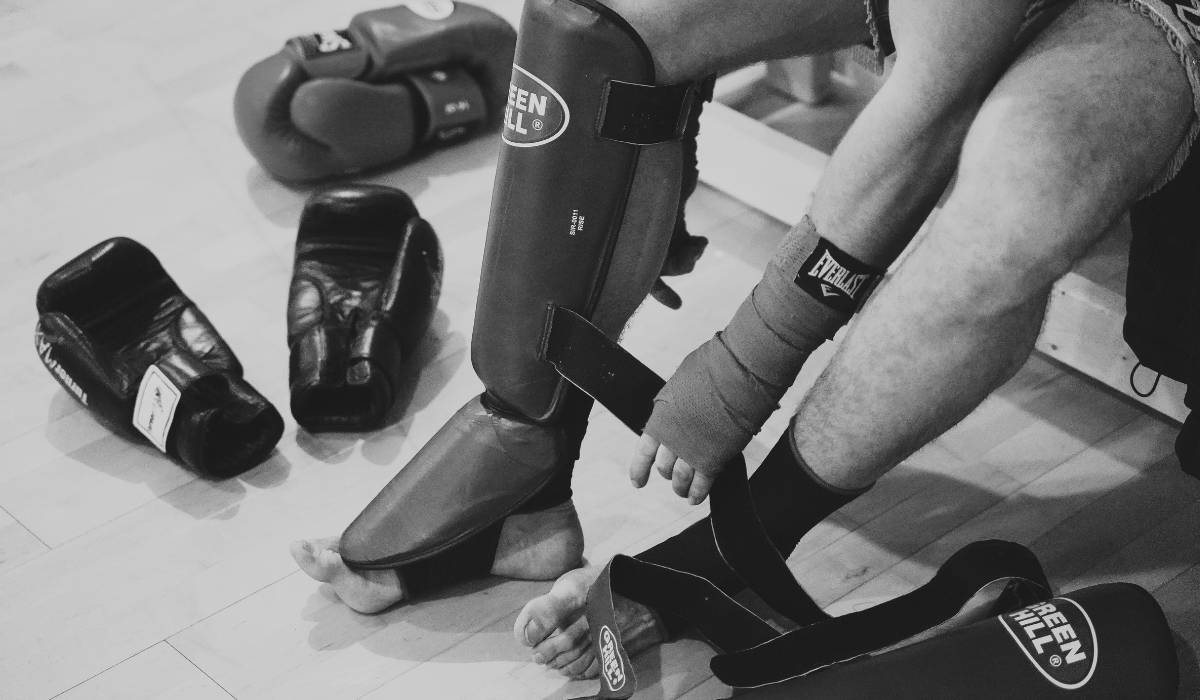
    Muay Thai is an impact sport. When you start training, it is common to deal with bruised shins, sore shoulders, tender wrists, tight hips, and sometimes shin splints from increased running or skipping.

    Injuries become a problem when you do not understand how to manage that stress. Most setbacks do not happen because Muay Thai is reckless. They happen because beginners rush into high-volume pad rounds, hard sparring, or repetitive drills without a technical base.
    Here are common muay thai injuries and how to prevent them:

    1. Bruised Shins

    They happen because your shins frequently make contact with something hard—like an opponent’s body or a heavy bag—when you’re kicking or blocking. Each time you kick or block, your shin takes the brunt of the impact, which can lead to bruising over time.

    How to Prevent:

    How to Treat:

    2. Shin Splints 

    Basically, shin splints are a kind of ache or pain you feel along the front of your lower leg, near the shin. This usually happens because of repetitive stress on the shinbone and the tissue that connects your muscles to the bone. 

    How to Prevent:

    How to Treat: 

    3. Sprained Wrists 

    They often happen when you don’t use the correct technique for punching or blocking. When you throw a punch or block incorrectly, your wrist can twist or bend in a way that it’s not supposed to, causing the ligaments to stretch or tear. 

    How to Prevent:

    How to Treat: 

    A muay thai gym trainer resting his hands on his waist while facing two students

    4. Shoulder Injuries 

    Shoulder injuries are also fairly common in Muay Thai and usually come from doing the same movements over and over, like punching or clinching. They can be as mild as a slight ache or as severe as a tear that requires medical attention. 

    How to Prevent:

    How to Treat:

    5. Concussions

    Concussions pose a serious risk and can have long-term repercussions. They occur when a blow to the head or a sudden jolt shakes your brain inside the skull. They can cause headaches, dizziness, and confusion. In severe cases, concussions can cause you to lose consciousness.

    How to Prevent:

    How to Treat:

    Note: Follow a structured return-to-training protocol guided by a healthcare provider.

    Build a Strong Foundation at Montrait Muay Thai

    A lot of these common injuries can be prevented with the right foundational work. This is why, at our Muay Thai gym in Toronto, we introduce the sport in a structured one-on-one setting. Early sessions focus on your foundation including stance, balance, guard discipline, controlled impact, and correct rotation mechanics. Once you feel confident, you are moved to group classes, where you learn to layer with advanced techniques.

    We also conduct weekly strength and conditioning classes, which focus on lower body strength, posterior chain engagement, shoulder stability, core control, and cardiovascular endurance.

    Book a call to learn more about our Muay Thai programs.

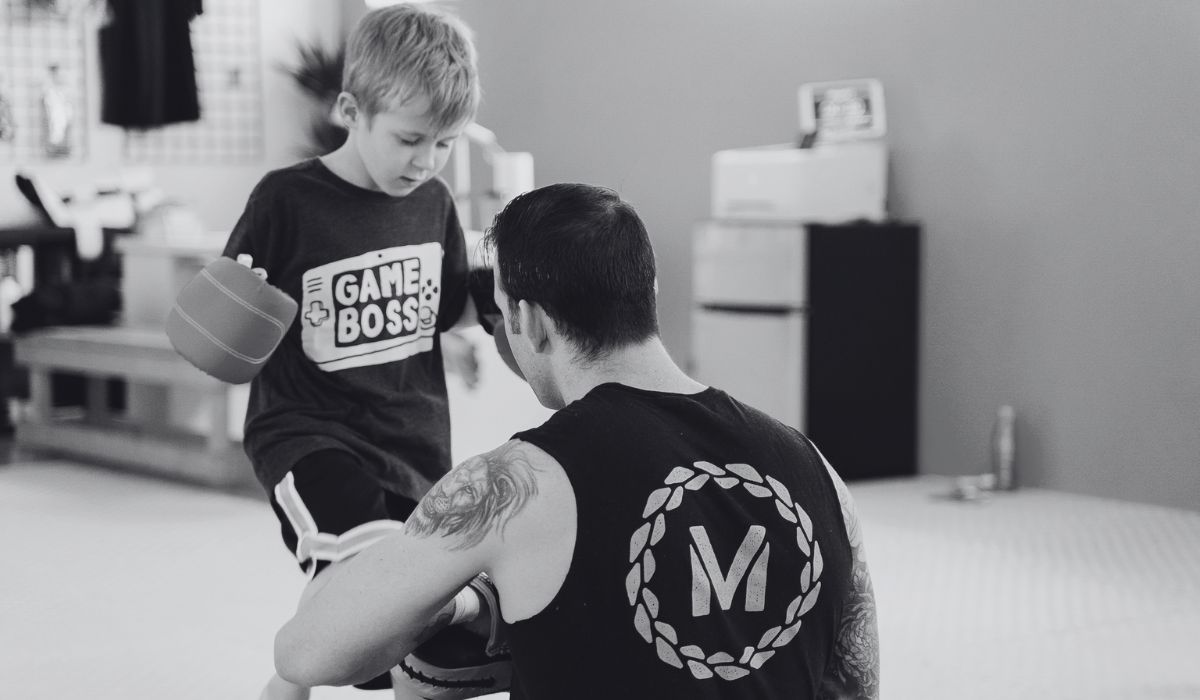
    When it comes to after-school activities for children, there are countless options to choose from. However, many parents tend to focus on team sports like basketball, soccer, or football as a way to keep their kids active and socialising with their peers. While team sports can certainly have their benefits, there’s another option that’s often overlooked: martial arts.
    Martial arts in Toronto can provide children with a wide range of physical, mental, and social benefits that team sports may not be able to match, especially during the winters. From building confidence and self-discipline to improving focus and concentration, martial arts can help children develop important life skills that will serve them well into adulthood. 

    Here are 9 reasons why martial arts is better for kids than team sports: 

    1. Individual focus

    Martial arts is an individual sport, meaning each student trains and competes on their own. This allows for individual focus and attention from the instructor, which can lead to better progress and skill development. In team sports, the focus is often on the team as a whole, and individual players may not receive the same level of attention.

    2. Discipline and self-control

    Discipline and self-control are two of the most important skills children should learn and a martial art like Muay Thai teaches just that. Through martial arts training, children learn to control their movements and emotions, as well as develop a strong work ethic. These skills can translate into other areas of their lives, such as academics and relationships.

    3. Self-defence skills

    Martial arts teaches children self-defence skills that can help them protect themselves if they get bullied at school. It is a common concern among parents. This can increase their confidence and sense of security, as well as give them the tools to handle potentially dangerous situations and also help others around them. 

    Muay Thai kids class downtown toronto at montrait Muay Thai hosted in a mma gym in little Portugal every Tuesday, Thursday, and saturday

    4. Non-competitive nature

    While martial arts does involve competition, it is not as focused on winning and losing as team sports can be. The emphasis is on personal growth and improvement, rather than beating the competition. This can reduce the pressure and stress that can come with team sports.

    5. Focus and concentration

    Muay Thai requires focus and concentration, which can improve a child’s ability to concentrate in other areas of their life. By learning to focus on the task at hand, children can improve their academic performance and overall productivity.

    6. Respect for others

    Martial arts places a strong emphasis on respect for others, including instructors and fellow students. At our gym, Montrait Muay Thai, respect for trainers and fellow students is very important. It can help children develop empathy and compassion, as well as improve their relationships with others.

    7. Reduced risk of injury

    While all sports carry some risk of injury, martial arts tends to have a lower risk compared to contact team sports such as football or hockey. This can give parents peace of mind when it comes to their child’s safety. At our Muay Thai gym we emphasise on getting the basic techniques right and only then students are progressed into more difficult techniques. 

    8. Inclusive nature

    Martial arts is inclusive and accessible to children of all abilities and skill levels. It does not require a certain body type or level of athleticism, making it a great option for children who may not excel in team sports.

    9. Lifelong skill

    Martial arts is a lifelong skill that children can continue to develop and improve throughout their lives. Unlike team sports, which may not be feasible to continue into adulthood, martial arts can be practised well into old age.

    Martial Arts supports development through every age

    At ages 4 to 6, martial arts helps build foundational motor skills, including balance, coordination, and core strength, through structured repetition and fun drills. They learn how to listen and understand simple concepts of the sport, team building, and leadership.

    From ages 7 to 10, children begin developing more advanced physical control and emotional regulation (Frontiers in Psychology study). Martial arts classes offer a safe space to practice managing frustration, staying focused during drills, and working through challenges with patience.

    By age 11 and up, many kids face academic pressure, social identity challenges, and even bullying. Martial arts not only reinforces confidence and peer respect, but also helps teens cope with stress. A Canadian study also found that adolescents who practice martial arts show better school behaviour and reduced aggression.

    This long-term developmental support makes martial arts not just an activity, but a guiding structure that grows with your child.

    We have an amazing Muay Thai program for kids where we focus on helping kids improve focus and develop skills in a fun, engaging, and fast-paced environment. We conduct one-hour long classes every Tuesday, Thursday, and Saturday. Send an email at peter@stg-montraitmuaythai-staging.kinsta.cloud to book a gym tour!

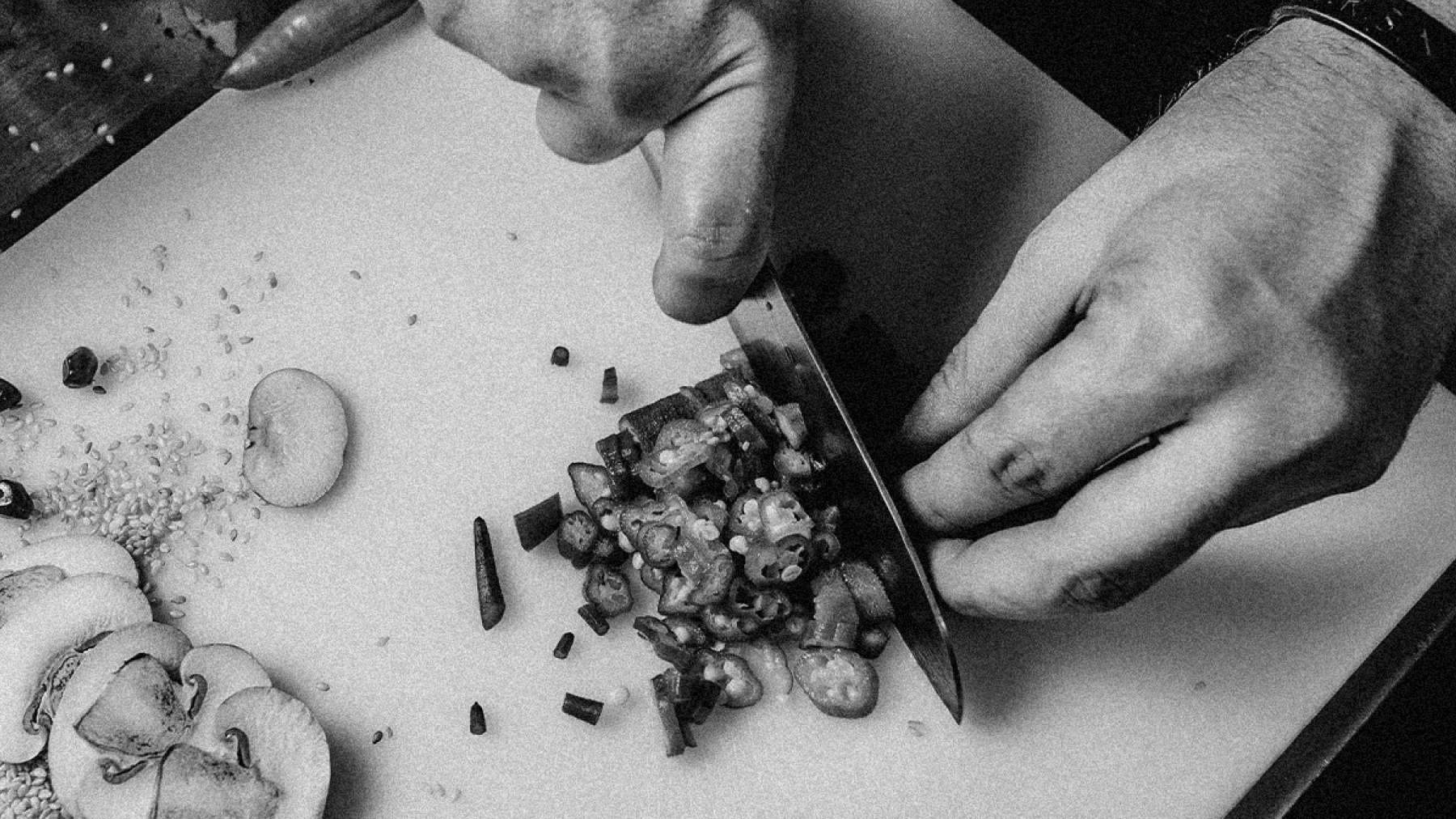
    Meal prep and it’s close relative, ingredient prep, are both major timesavers and waistline saviors. Now that we’re in lockdown you might be thinking, what’s the point of prepping my meals when I’m home all the time anyway?

    Meal prep isn’t just about having food ready when you’re busy on the go; it’s also about making healthy choices ahead of time so you don’t find yourself starving in front of the kitchen cupboards grabbing whatever’s easiest (which tends to be processed snacks like crackers or chips). By making a nutritious meal ahead of time, you are creating a healthy easy option for that moment your stomach rumbles and you need something to eat fast. It also helps you plan your essentials before you head to the grocery store and cuts down on food waste.

    Meal prep can be as simple or as complicated as you like for it to be

    You’ve probably heard of meal prep before but might be wondering about ingredient prep. Meal prep involves prepping food and assembling it into complete meals before refrigerating or freezing for a later date. Ingredient prep involves prepping ingredients to refrigerate or freeze without any assembly. The advantage of meal prep is that all you need to do typically is plate and season your food. 

    What some people find unappealing about meal prep is that you can find yourself eating the same meals for a week straight. However, what’s nice about ingredient prep is that by having healthy foods ready, you can combine them in different ways for more variety though it can be a touch more time-consuming during the week to assemble your food each time. Personally, I do a combination of both. I am still working from home so I tend to have my lunch completely meal prepped but I will also keep some ingredients prepped to throw together more variable dinners. 

    Meal prep can be as simple or as complicated as you like for it to be; I tend to stick to basic cooking techniques such a boiling, oven roasting, pan-frying, and poaching. Some weeks I feel like making an overnight marinade for my protein or pickling onions ahead of time; sometimes I quickly chop up some veggies and toss them with some greens in a container, and add a can of tuna with some tzatziki when I sit down to eat. 

    I follow a basic formula for making a satisfying meal prepped bowl:

    There are almost infinite combinations of the above that can be modified to any diet. Things can be omitted here and there, but I’d recommend at least keeping a base, a protein, at least one veggie, a fat source, and either herbs or onion for flavor. I personally always use a base of greens for lunch because carbs make me sleepy mid-day.

    For an example, this week I meal prepped bowls consisting of:


    Some of the ingredients I had or made extra of were: spinach, shredded chicken, sweet potato, and black beans. Spinach can be used in SO many ways – for other salads, sautéed, in smoothies, in soups. I buy a big bag every week and find ways to use it up. The shredded chicken went into an additional salad towards the end of the week, doused in a quick chicken curry sauce (mayo + curry powder + Dijon mustard) (Picture: and also topped a hummus bowl on leftover rice with some of the additional roast sweet potatoes and black beans. The sweet potatoes also reappeared as a quick side dish for breakfast along with scrambled eggs (not pictured).


    When packing prepped foods, there are a couple things to consider: some ingredients don’t have good longevity such as avocado or seafood and should be prepared and added at the time you sit to eat. Another is foods with high moisture content can get slimy sitting in the fridge for a few days, like that base of spinach – in this instance, I use a small piece of paper towel nestled in the top of the container to absorb some of the excess moisture that can form. You can use a clean tea towel too. If you are freezing prepped meals or ingredients, try to let in as little moisture and air as possible when packing to prevent freezer burn.

    Meal prep is an essential tool for me to help make healthy and delicious food choices throughout the week. The act of preplanning food alone makes me more conscious of what I am buying and eating. Hopefully, this guide helps get you on track to building a diet for better health at a time when we need it most. 


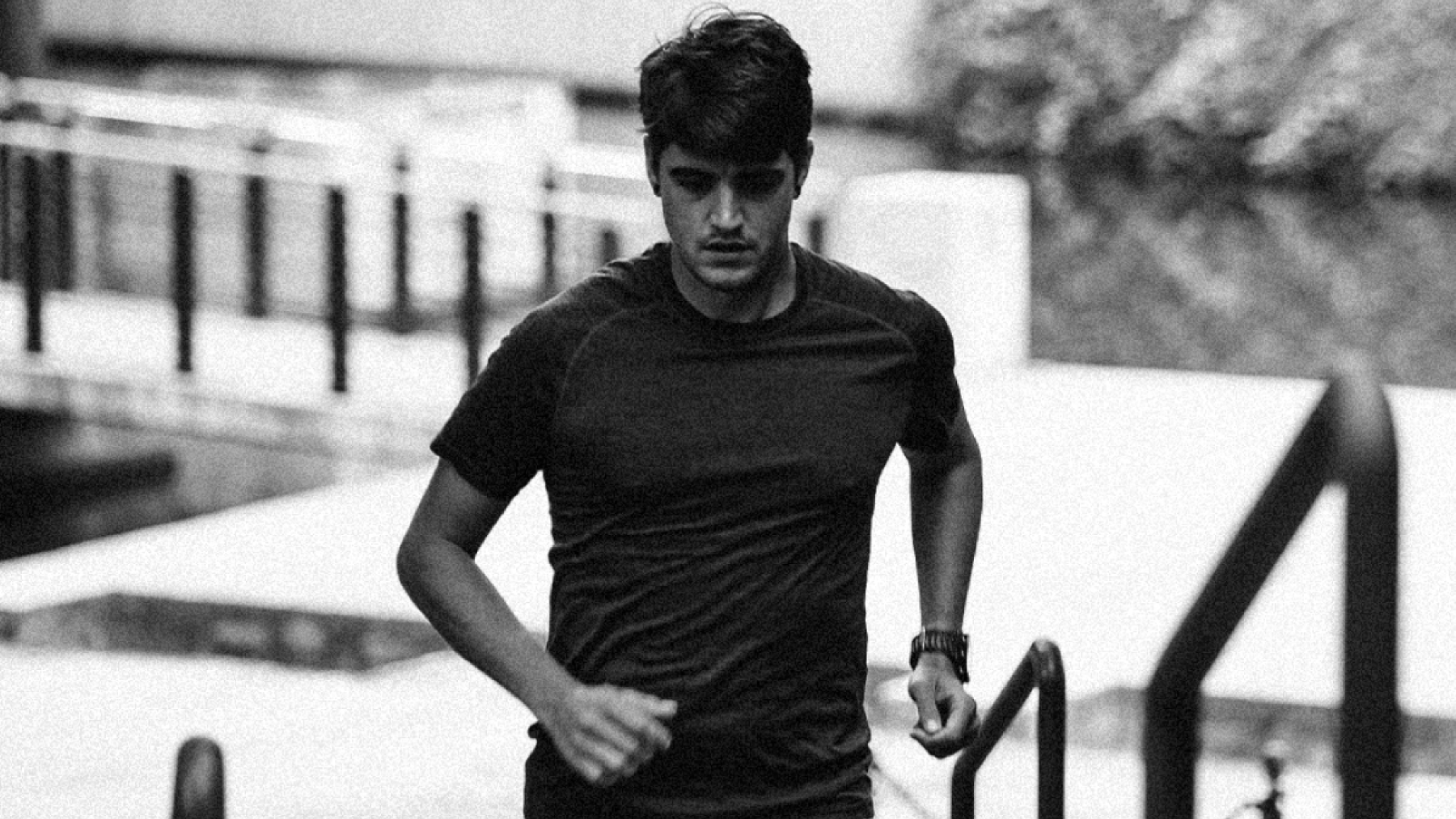
    Maybe you’ve heard this saying before, no run, no fight. I personally don’t consider it a saying; it’s a fact.

    So many iconic scenes from boxing and martial arts movies are of the solitary fighter running on the side of the road for a reason. If you want to take your training to the next level, whether that’s fighting or for your next shorts test, consider adding running to your fitness schedule.

    Now that it’s spring and we can only really go outside for essentials or fresh air, why not go for a jog? I have to remind you to keep your 6ft physical distancing on point if you’re running. You are traveling at a faster pace than other pedestrians and bear more responsibility for keeping your distance. It’s also recommended to wear a face-covering; if you’re keeping a good pace, you’re probably mouth breathing!

    If you’ve taken a class, you already know what an intense cardiovascular workout Muay Thai is. There are lots of ways to get your extra cardio in but running is the method of choice for Muay Thai. Swimming, rowing machines, and biking are fine options but you want to build up endurance not only in your lungs and heart but in your legs as well. The repeated impact of running builds bone density in your feet, shins, and legs. You’re on your feet when you’re doing Muay Thai and so you want a cardio workout that complements this. Running builds mental endurance and toughness too. When you’re tired out on the road running alone without your Kru or your teammates to encourage you, you find the determination within yourself to push hard and complete your run. Developing the ability to push past mental and physical exhaustion is invaluable for Muay Thai. 

    So let’s get started!

    First, you’ll need a good pair of running shoes. Luckily there are still many options for online ordering if you don’t have a pair. If you’re looking to support a local Toronto business, Black Toe Running is a great choice. If you are budgeting, most major retailers (i.e. Footlocker, Sportchek) have large clearance sections.

    A common problem I’m seeing with new runners recently is that they are dressing too heavily in early spring weather to be comfortable when running. You build quite a bit of body heat when you’re jogging and don’t need as much clothing as you’d think.

    I’ve suggested some guidelines below:

    Now that you’re dressed, you aren’t going to head out the door just yet. Especially when you are first starting and running is an unfamiliar movement for your body, you should take some time for joint mobility before you head out on a run. Neck rotations, shoulder rotations, hip circles, and ankle rotations should all be done on each side at least 10 times each. Jumping jacks, alternating knees to your chest, and squats can also help activate your muscles before a run. I like to walk for a couple of blocks before I start my run, especially if it’s early in the day and I haven’t been moving much yet.

    For your first run, plan a route between 2.5-5km. Apps like Nike Run Club or Under Armour’s Map My Run have mapped out local routes you can follow, plus they can help you track your progress. Having a planned route when you run is essential, especially when you’re starting out. You’re more likely to get tired and give up without an endpoint to strive for. Find a route you like and complete it no matter what – don’t be discouraged if you need to take walking breaks the first few runs you attempt. You should take walking breaks as needed if you feel burning or cramping in your lungs/chest or that familiar sear of lactic acid building up in your legs.

    Limit walking breaks to 1-2 minutes and avoid them entirely if you can. When first incorporating running into your schedule, plan to run 3x a week. It makes a great warm-up for Muay Thai class if you’re looking to combine workouts. When you’re finished your run, take a few moments to stretch at a minimum your quadriceps and hip flexors. Your hip flexors especially can get tight with the repetitive motions of both Muay Thai and running.

    With the weather getting warmer and the lockdown continuing, hopefully, you find this guide helpful. Remember to keep your distance, warm up properly, pick a running route, and stick to it. The lockdown offers a great opportunity to build your discipline and running is the best choice to complement your Muay Thai practice while keeping safe and healthy.

    Happy running!


    3 Steps to Better Emotional Control Through Martial Arts

    People are scared. Collectively, the world is experiencing more fear and anxiety than they have in a generation. Yet most people do not possess the emotional tools to navigate this current world climate. 

    Competing in a full-contact martial art can be a terrifying and exhilarating experience. There is an ever-present risk of extreme personal injury (and though less likely, still possible at the amateur level). Being prepared emotionally to step into the ring was a process that I developed through years of competition. This isn’t news to anyone that’s competed in martial arts, but for everyone else; I hope to shed some light on the process of fear management and better control of your emotions.   


    Understand Your Circumstances

    The first step is to assess what could be at stake. Understand your absolute worst-case scenario. In a martial arts competition, there is always a very small but still possible chance of death. Hiding from the reality of a situation just because it seems “extreme” contributes to avoiding the processing of all those deeper emotions attached to that very-unlikely-but-still-possible outcome. 


    Take Time to Acknowledge the Fear

    When I had a competition coming up, it would be my waking thought and the last thing on my mind before I slept.  We have a beautiful and annoying threat recognition part of our brain that is constantly scanning our past present and future for danger. If you let this system run wild, it will have you in a consistent state of fight or flight. I needed to mindfully acknowledge my fear to get that system to ramp down. The words mindful and agency are related here. Each day I would set aside 10 minutes to mindfully process my emotions. This gave me agency in that process, ultimately lending me a sense of control over my circumstances. In our current situation, the ever-changing policies and unfolding global and local scenarios feed a compulsion to check for updates. Give yourself 10 minutes each day to check the news if you need to, then sit and process your feelings on the current circumstances. Then…Put it to rest.  


    Game Plan and Actionables 

    If during preparation for a competition, I felt I was not doing everything that I could to prepare, it would be signaled by a healthy dose of anxiety. As soon as I had confirmation on a date, I would sit down and plan out my preparation from start to finish. Knowing that I had planned for every eventuality gave me a sense of comfort as well as purpose. Know what you can do to protect yourself and those that you love. Put together a game plan. It’s important to know that you are taking every precaution. Not to mention, being proactive about problematic situations can help alleviate feelings of anxiety and stress.


    Remember It’s a Skill 

    With the combination of accepting worse case scenarios, not hiding from negative emotions (but giving them time, space and attention so that they can be processed), and finally figuring out my actionables, I eventually improved my ability to process and compartmentalize my emotions. It’s important to remember that handling your emotions is a skill. Like any other skill, it needs to be practiced and refined regularly. With time, getting a handle on your emotions will become reflexive. 

    I encourage everyone to practice martial arts. It’s opened the door to learning many skills that have enriched my life and fortified my spirit. I apply the skills and lessons learned on a daily basis. I’ll leave you with the words of the greatest swords master to ever live.

    Miyamoto Musashi:

    “If you know the way broadly you will see it in everything.”